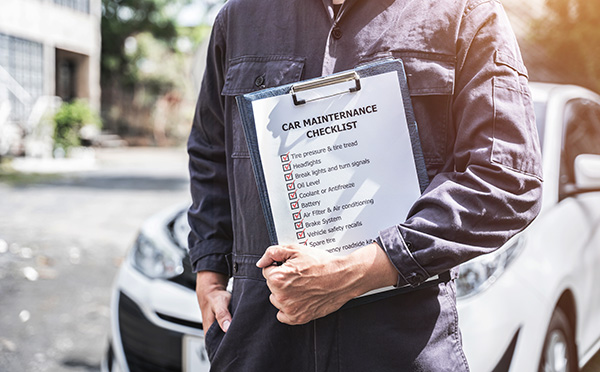
A car's long-term condition is shaped by plenty of ordinary decisions. Checking a fluid level, recording a service, or responding to a small change can help prevent a manageable concern from becoming a larger repair. You do not need to spend every weekend working on the vehicle to build those habits.
The goal is consistent care that suits the actual car. Maintenance cannot prevent every failure or erase earlier damage, but it can reduce avoidable wear and help you catch developing problems. Start with the manufacturer's requirements, then make the information and checks easy to keep up with.
Follow the Car's Actual Maintenance Schedule
Use the schedule for the model, year, engine, and equipment rather than a generic list copied from another vehicle. Oil, filters, spark plugs, fluids, and driveline services can have different requirements. Some depend on mileage, some on elapsed time, and others on operating conditions.
Review any severe-use provisions that apply to your routine, including frequent short trips or demanding operation. A dashboard reminder may cover one service without accounting for every other scheduled task. Keeping the complete schedule nearby makes it easier to plan work before a missed interval becomes part of the car's normal history.
Check Engine Oil Between Maintenance Visits
The oil level can change between scheduled services because of consumption or a leak. Use the vehicle's specified checking procedure and add the correct oil when required. The proper amount supports lubrication; a top-off does not replace an oil change or reset its interval.
Record frequent additions and mention them at the shop. A change from the car's usual pattern can provide useful information even when it still drives normally. Do not judge oil life solely by color. Oil can darken during normal use, while relatively clean-looking oil can still be due based on the schedule.
Treat Coolant Loss as a Maintenance Clue
Coolant supports engine temperature control and protects the cooling system. Review its service interval and check the level only as the vehicle's instructions allow. Never remove a cap from a hot pressurized system.
A reservoir that repeatedly needs filling deserves an explanation. The cause might be a leak or another condition that a top-off cannot correct. Weak heat, a new coolant smell, or changed temperature behavior also belongs in the service discussion. New Orleans warmth does not make cooling-system care optional; the engine still needs suitable fluid and controlled circulation whenever it operates.
Keep Tire Care Part of the Car Maintenance Routine
Check cold pressures using the vehicle's specified values and inspect for damage or uneven wear. Follow the applicable rotation requirements, which can differ when front and rear sizes are not the same. Tire condition also affects how the vehicle brakes and steers.
A recurring pressure loss, new vibration, or one-sided wear should prompt inspection. Rotation can distribute wear where appropriate, but it does not fix a leak, damaged tire, or loose suspension component. Addressing the source helps protect the next set of tires and keeps a gradual handling change from becoming something you simply learn to tolerate.
Respond to Changes Before They Become Familiar
Drivers can adapt to a small noise or hesitation until it feels ordinary. That familiarity does not establish that the condition is harmless. Notice what has changed, when it happens, and whether the pattern is becoming more frequent.
A sound recording made safely while parked, a photo of a warning message, or a written note can help the shop reproduce an intermittent complaint. You do not have to identify the failed part yourself. A clear description helps us choose relevant checks and distinguish a developing mechanical concern from routine maintenance already due.
Keep Better Records of Car Maintenance
A simple record can prevent both missed services and unnecessary repeat work. Keep these five details for each completed appointment.
- The date and odometer reading.
- The services performed and the components that were replaced.
- The relevant fluid specifications recorded on the invoice.
- Any findings that need monitoring or later work.
- The next required time or mileage limit where applicable.
Store invoices where you can find them quickly, whether that is a folder or a phone-based system. If you use several shops, bring the relevant records to each appointment. A new technician should not have to guess whether an important service happened simply because the vehicle looks generally well cared for.
Adjust Maintenance Planning to How the Car Is Used
Short trips, extended parking, heavy loads, and demanding driving expose systems to different conditions. A car used for brief errands may reach time-based limits while adding a few miles. A vehicle that sits can also develop battery, tire, or other concerns despite limited driving.
Explain the pattern when reviewing the schedule. The appropriate response comes from the manufacturer's requirements and the car's condition, not a rule that every short-trip vehicle needs the same extra work. Planning around actual use helps keep maintenance practical while giving important systems the attention they need.
Do Not Drive Through Serious Car Warnings
An oil-pressure warning with the engine running, overheating, major braking loss, or a suspected fuel leak needs prompt, safe action. Move to a suitable place, shut off the engine when required, and follow the owner's instructions. Continuing to drive can increase the damage or risk.
Routine maintenance reminders and urgent operating warnings are different. Learn the vehicle's symbols before an unfamiliar one appears while driving. Responding appropriately to a serious condition is one of the most useful ways to protect the car; a timely fluid service cannot undo severe damage already caused by continued operation.
Use Maintenance Visits to Plan Rather Than Guess
Ask which recommendations follow the schedule, which address confirmed faults, and which are based on current wear. That makes the next steps easier to prioritize. A vehicle does not need every possible service simply because it has reached a round mileage figure.
Maintenance works best as a continuing record of the actual car. Consistent attention can support a longer useful life, while inspections help you understand what has changed. Keep the plan specific, follow through on required work, and report concerns before they become the behavior you accept as normal.
Schedule Car Maintenance in New Orleans, LA
NOLA Automotive Repairs in New Orleans, LA, can help you review scheduled maintenance and the concerns you have noticed. Bring your records and describe your driving pattern so we can discuss the appropriate service plan.
Contact us to schedule maintenance for your vehicle.