Posted on 1/30/2026
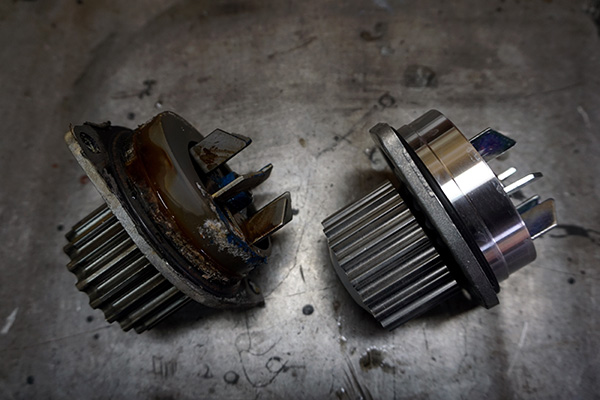
A water pump failure rarely starts with a big puddle and steam pouring out from under the hood. More often, it starts with small changes you can easily chalk up to weather, traffic, or an aging car. The problem is, once a pump truly lets go, the temperature can climb quickly, and you do not get much time to react. If you learn the early signals and what they usually mean, you can catch a weakening water pump before it turns into an overheating event. The clues are there, but they just show up in quiet, easy-to-miss ways. What The Water Pump Does And Why It Matters The water pump circulates coolant through the engine and radiator. That flow is what carries heat away from the engine, keeps temperatures stable, and allows the heater to work properly. When the pump is weak, coolant may not move fast enough under load, which can cause heat to build in certain conditions, even if the gauge looks fine most of the time. Some pumps are driven by the serpentine belt, while o ... read more