Posted on 8/28/2026
An engine misfire happens when one or more cylinders fail to produce normal combustion. Sometimes the problem is easy to notice because the engine shakes, hesitates, or loses power. Other times, the only clue is a check engine light or a slight stumble under acceleration. What makes misfires tricky is that several different systems can cause them. Spark plugs, ignition coils, fuel injectors, vacuum leaks, compression problems, wiring faults, and even incorrect valve timing can all lead to similar symptoms. A good repair process is less about replacing common parts and more about testing the cylinder that is actually having trouble. What a Misfire Feels Like A mild misfire may feel like an occasional hesitation or uneven idle. A more severe one can make the whole vehicle shake, reduce acceleration, or cause the engine to sound rough. Some misfires appear only when the engine is cold, while others show up under load, during highway acceleration, or after the engine ha ... read more
Posted on 7/31/2026

A vehicle can feel noticeably different after the trunk, cargo area, or truck bed is loaded with tools, luggage, equipment, or supplies. Acceleration becomes slower, the brakes need more room, and the suspension may sit lower than normal. Those changes are easy to underestimate because the engine still starts and the vehicle still moves. Extra weight is not automatically harmful when the load stays within the vehicle’s limits and is secured correctly. Problems begin when cargo is too heavy, placed unevenly, or carried for long periods without adjusting tire pressure and driving habits. Understanding how a loaded vehicle responds helps protect the tires, brakes, suspension, and drivetrain. Added Weight Makes Acceleration Slower The engine has to work harder whenever the vehicle carries more weight. You may need to press the gas pedal farther when pulling away from a stop, merging, or climbing a bridge. Smaller engines and vehicles already carrying several passe ... read more
Posted on 6/26/2026
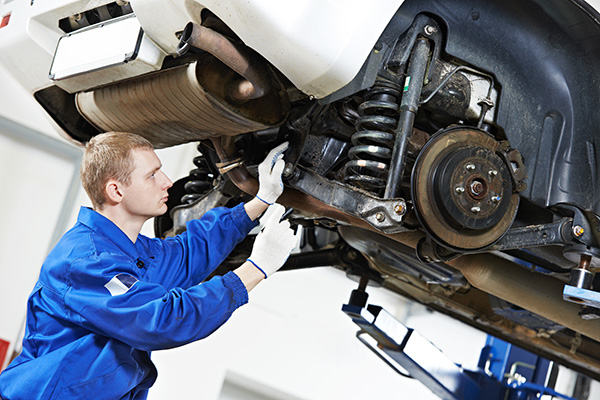
Suspension problems are easy to dismiss because many of them start quietly. A small clunk over a driveway, a little extra bounce after a bump, or one tire wearing faster than the others may not feel urgent. The vehicle still drives, so the problem gets pushed aside. That delay can make the repair more expensive. Suspension parts work together to keep the tires planted, the steering controlled, and the ride predictable. When one part wears, nearby parts can take on extra stress. Knowing the most common issues drivers ignore can help you catch them before the vehicle feels loose, noisy, or unsafe. Worn Shocks And Struts Shocks and struts help control body movement after bumps, braking, and turns. When they wear out, the vehicle can bounce more than normal, dip during braking, lean in turns, or feel unsettled on rough roads. Some drivers get used to the change because it happens slowly. Weak shocks and struts can also affect tire wear. If the tire does not stay plante ... read more
Posted on 5/29/2026
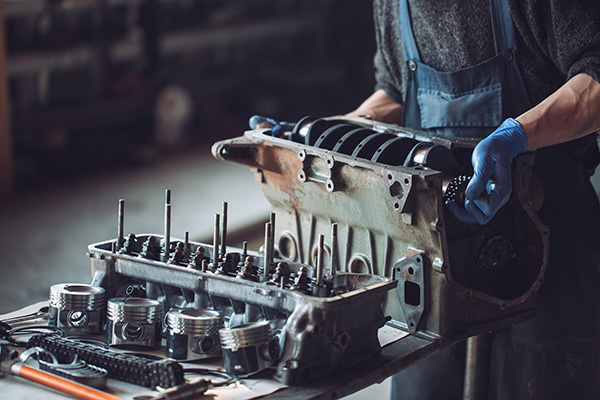
Severe engine damage changes the mood fast. One day, the car makes a noise, emits smoke, overheats, or experiences low oil pressure. Then the conversation shifts from fixing one failed part to asking whether the engine itself is worth saving. That is not a fun decision. Engine repair, engine overhaul, and engine replacement are not the same thing. The right choice depends on what failed, how long the engine was driven that way, the vehicle’s condition, and what you need from the car after the work is done. Severe Damage Changes The Conversation A minor engine repair usually focuses on one problem. A leaking valve cover gasket, a bad sensor, worn spark plugs, or a failed water pump can often be handled without opening the engine deeply. Severe damage is different because the failure has reached internal parts. Low compression, bearing noise, co ... read more
Posted on 4/30/2026
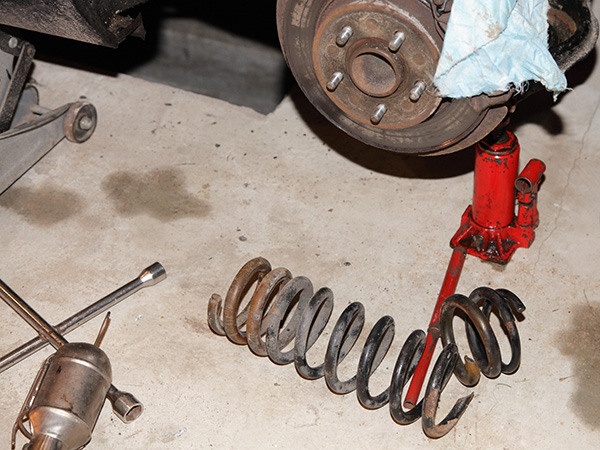
It usually happens after a heavy rainstorm or a particularly humid morning. You walk out to your car, glance through the spokes of your wheels, and see it: a thin, flaky, orange coating covering your brake rotors. If you’re like most drivers, your first instinct is a mild sense of panic. After all, rust and brakes are not two words we usually like to see in the same sentence. At our shop, we get phone calls about this every time the seasons change. It’s a totally fair concern. Brakes are the most important safety feature on your vehicle. However, before you start shopping for a whole new brake system, take a deep breath. Not all rust is created equal. Let’s dive into why this happens, when you can ignore it, and when that orange hue is actually a red flag. Why Do Rotors Rust So Easily? To understand the rust, you have to understand what your rotors are made of. Most standard brake rotors are made of cast iron. Iron is incredibly strong and handles ... read more