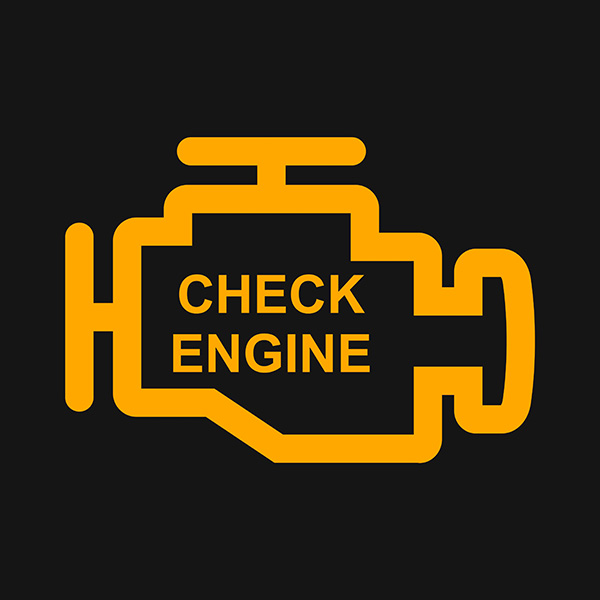
An engine misfire happens when one or more cylinders fail to produce normal combustion. Sometimes the problem is easy to notice because the engine shakes, hesitates, or loses power. Other times, the only clue is a check engine light or a slight stumble under acceleration.
What makes misfires tricky is that several different systems can cause them. Spark plugs, ignition coils, fuel injectors, vacuum leaks, compression problems, wiring faults, and even incorrect valve timing can all lead to similar symptoms. A good repair process is less about replacing common parts and more about testing the cylinder that is actually having trouble.
What a Misfire Feels Like
A mild misfire may feel like an occasional hesitation or uneven idle. A more severe one can make the whole vehicle shake, reduce acceleration, or cause the engine to sound rough. Some misfires appear only when the engine is cold, while others show up under load, during highway acceleration, or after the engine has fully warmed up.
Common signs include:
- A flashing or steady check engine light
- Rough idle or noticeable engine vibration
- Hesitation during acceleration
- Reduced power on hills
- Poor fuel economy
- A strong fuel smell from the exhaust
A flashing check engine light deserves prompt attention. It often means the misfire is severe enough to overheat the catalytic converter if driving continues.
The Scan Tool Is the Starting Point
Technicians usually begin by checking stored fault codes and live engine data. A code such as P0302 indicates that the computer detected repeated misfires on cylinder 2. A P0300 points to random or multiple-cylinder misfires.
The code helps narrow the search, but it does not prove which part failed. A cylinder 2 misfire could come from its spark plug, ignition coil, injector, wiring, compression, or an air leak affecting that area of the intake. The next step is to test the systems that could create the symptom.
Ignition Problems Are Common
Spark plugs and ignition coils are frequent causes of misfires, especially as mileage increases. A worn spark plug develops a larger gap over time, forcing the ignition coil to work harder to create a spark. A weak coil may work during light driving but fail when cylinder pressure rises under acceleration.
Technicians may compare plugs between cylinders, inspect them for wear or contamination, and move ignition coils to see whether the misfire follows the coil. If the problem moves from cylinder 2 to cylinder 4 after swapping coils, that is strong evidence that the coil itself is faulty.
Fuel Delivery Has to Be Checked Too
A cylinder needs the correct amount of fuel at the right time. A restricted or electrically failed injector can create a lean misfire because the cylinder is not receiving enough fuel. An injector that leaks can create the opposite problem and make the mixture too rich.
Testing may involve checking injector electrical signals, resistance, fuel pressure, or pressure drop when individual injectors are commanded. On direct-injection engines, high-pressure fuel systems add another layer of complexity, so pressure data and manufacturer procedures become especially important.
Vacuum Leaks Can Affect One or Several Cylinders
Unmetered air entering the engine can lean out the air-fuel mixture enough to create a misfire. Cracked intake hoses, failed PCV components, intake manifold gasket leaks, or loose connections can all allow extra air into the engine.
Some leaks affect the entire engine, while others are located close enough to one intake runner that only one or two cylinders show symptoms. A smoke test is often useful because it allows technicians to introduce controlled smoke into the intake and watch for leaks that are difficult to see.
Compression Problems Change the Repair Direction
An engine can have good spark and correct fuel delivery but still misfire if the cylinder cannot build enough compression. Burned valves, worn piston rings, damaged pistons, valve timing problems, or a leaking head gasket can all reduce cylinder sealing.
A compression test compares the pressure produced by each cylinder. If one cylinder is noticeably lower, a leak-down test can help identify where the pressure is escaping. Air heard at the intake may point toward an intake valve, while air at the exhaust can suggest an exhaust valve sealing problem.
Why Technicians Look at Fuel Trim and Sensor Data
Fuel trim shows how much the engine computer is adjusting fuel delivery to keep the mixture near its target. Large positive corrections can point toward a vacuum leak or inadequate fuel supply, while large negative corrections may suggest excessive fuel.
Technicians may also review oxygen sensor activity, airflow readings, coolant temperature, camshaft data, and other information. These values help show whether the misfire is isolated to one cylinder or connected to a broader engine-control problem.
The Fix Depends on What Testing Finds
There is no single repair for an engine misfire. One vehicle may need spark plugs and a coil. Another may have a broken injector wire, intake leak, failed valve, or timing problem.
Possible repairs include:
- Replacing worn spark plugs
- Replacing a failed ignition coil
- Repairing injector wiring
- Cleaning or replacing a faulty injector
- Repairing an intake or PCV leak
- Correcting mechanical engine problems
The important part is matching the repair to the confirmed cause. Replacing several ignition parts at once may appear faster, but it can waste money if the real problem is fuel delivery or compression.
Do Not Ignore an Intermittent Misfire
A misfire that comes and goes is still worth checking. Heat, vibration, engine load, and moisture can cause electrical components or wiring connections to fail only under certain conditions.
Regular maintenance can reduce some common causes by keeping spark plugs, filters, and related engine components on schedule. When a misfire does appear, early testing can also help prevent raw fuel from damaging the catalytic converter.
Get Engine Misfire Repair in New Orleans, LA, With NOLA Automotive Repairs
NOLA Automotive Repairs in New Orleans, LA, can perform diagnostic testing for engine misfires involving ignition, fuel delivery, air leaks, wiring, and mechanical engine condition.
If your vehicle is shaking, hesitating, losing power, or showing a check engine light, contact us to schedule service.