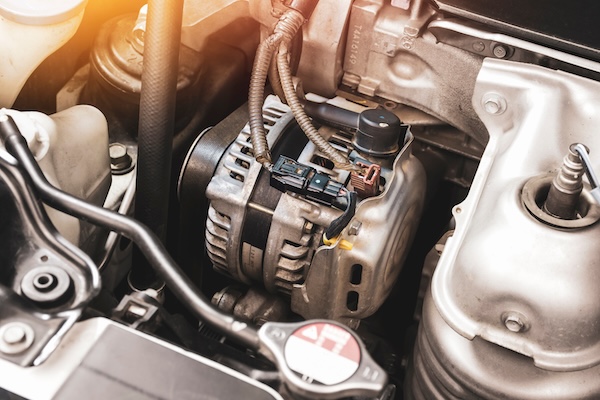
Your vehicle relies on a complex electrical system to operate everything from the headlights to the engine management system. At the heart of that system is the alternator. When the alternator begins to fail, it can cause a range of issues that affect performance, reliability, and safety.
Because alternator issues often mimic battery or electrical problems, they can be confusing for drivers. Recognizing the warning signs early can help you avoid breakdowns and costly repairs.
What Does the Alternator Do?
The alternator generates electrical power while your engine is running. It keeps the battery charged and supplies electricity to all of your vehicle’s electrical components. Once the engine starts, the alternator takes over, enabling systems such as headlights, climate control, fuel injection, and onboard computers to function properly.
When the alternator fails, the battery must supply all electrical power. This quickly drains the battery and can cause the vehicle to stall or fail to start.
Common Signs of a Failing Alternator
A bad alternator usually provides warning signs before it completely fails. These symptoms may start small and become more noticeable over time.
Some of the most common signs include:
- Dimming or flickering lights: Headlights, interior lights, or dashboard displays may appear dim or fluctuate in brightness.
- Battery warning light: The battery or charging system warning light may illuminate on the dashboard.
- Electrical malfunctions: Power windows, radio, or other accessories may work inconsistently or stop functioning.
- Strange noises: A failing alternator bearing can produce grinding or whining sounds.
- Dead battery: A repeatedly dead or weak battery can indicate the alternator is no longer charging it properly.
If you notice any of these symptoms, your charging system should be inspected as soon as possible.
How a Bad Alternator Affects Vehicle Performance
A failing alternator doesn’t just impact convenience—it can affect how your vehicle drives. As electrical power drops, critical systems may stop working correctly. Engine sensors may send inaccurate readings, causing rough running, hesitation, or stalling.
In some cases, the vehicle may shut off while driving once the battery is depleted. This can be especially dangerous at highway speeds or in heavy traffic.
Is It the Alternator or the Battery?
Many drivers assume a dead battery is always the problem, but batteries and alternators work together. A failing alternator can prevent a new battery from charging properly, leading to repeated battery failures.
Professional testing is the best way to determine which component is at fault. Testing both the battery and charging system ensures the correct repair is made the first time.
What Causes Alternator Failure?
Alternators wear out over time due to heat, vibration, and constant use. Worn bearings, damaged internal components, and electrical failures are common causes. Belt issues or fluid leaks can also contribute to alternator problems.
Regular inspections can sometimes catch early signs of failure before a breakdown occurs.
Why Prompt Diagnosis Is Important
Ignoring alternator problems can leave you stranded without warning. Continued driving with a failing alternator may also damage the battery or other electrical components, increasing repair costs.
Professional diagnostics quickly identify the root cause and help prevent further damage.
Schedule a Charging System Inspection in New Orleans, LA
If your lights are flickering, warning lights are on, or your battery keeps dying, your alternator may be the issue. Please do not hesitate to contact NOLA Automotive Repairs Inc today to schedule a charging system inspection.